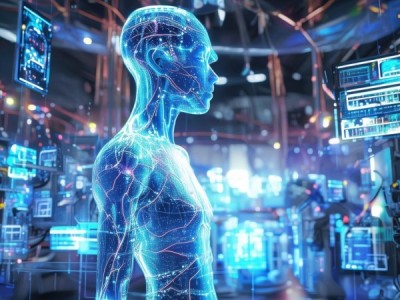
科技与工业设计的融合之旅,突破边界,探索未来
科技与工业设计的融合之旅,展现了技术与设计的深度融合,探索着创新的边界,通过智能化的设计理念,工业设计与科技手段完美结合,以创新的姿态重新定义工业形态,这种融合不仅推动了技术进步,也为工业设计注入了新的活力,为人类社会的发展提供了重要的技术支撑。
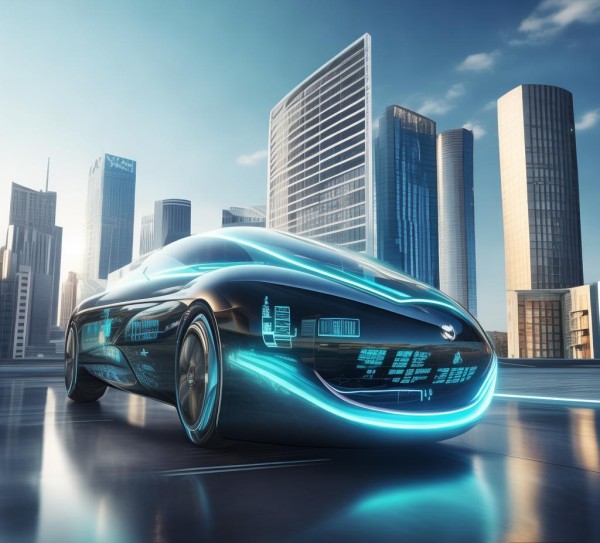
Table of Contents:
- 创新的起点:科技与设计的碰撞 "Innovation at the Crossroads: Science and Design"
- 创新的路径:科技与设计的对话 "The Path of Innovation: Science and Design"
- 创新的成果:从边缘到主流 "The Emergence of Mainstream Innovation: Science and Design"
- 创新的未来:挑战与机遇 "The Future of Innovation: Challenges and Opportunities"
H2/Li #1: Innovation at the Crossroads: Science and Design
Innovation at the Crossroads: Science and Design
Innovation is not a destination but a journey. In the grand tapestry of human history, innovation serves as the thread that connects societies, industries, and civilizations. It is the spark that drives progress, transforms ideas, and shapes the future.
From the beginning, science and design have been inextricably linked. In the Industrial Revolution, science transformed the way we craft and use objects. But as we move beyond that, innovation becomes more dynamic. Innovation is not just a word; it's a process. It requires collaboration between scientists, designers, engineers, and innovators to unlock new possibilities.
Innovation is not just about breaking barriers but about integrating science and design in a way that benefits everyone. As we build new technologies, from the internet to healthcare, science and design are not just compes but partners in shaping the future. Innovation is not just about creating new things but about creating new people, new ways of living, and new ways of thinking.
Innovation is also not just about the technology itself but the designer’s interpretation of it. A new invention doesn’t become a classic unless it resonates with the human spirit. A designer interprets science and engineering not just for its practical value but for its emotional impact, its cultural significance, and its potential to transform the world.
H2/Li #2: The Path of Innovation: Science and Design
The Path of Innovation: Science and Design
Innovation is the spark that ignites progress and creativity. It is the catalyst that transforms ideas into reality and redefined ways of thinking. Innovation is not just about testing new theories or introducing new products; it is about rethinking the very foundations of how we live, work, and interact with the world.
Innovation requires a vision that combines science and design. Science provides the tools and principles, while design gives the creative spark. Together, they create something new that is more than the sum of its parts. Innovation is not just about science; it is about science and design working hand in hand.
Innovation is not just about the "what" but the "why." Every invention, every design, every breakthrough is driven by a question that the human spirit seeks to answer. Whether it’s how to make better bridges, how to improve healthcare, or how to create more efficient engines, innovation is always answering those questions.
Innovation is not just about the technology itself but the designer’s interpretation of it. A new invention doesn’t become a classic unless it resonates with the human spirit. A designer interprets science and engineering not just for its practical value but for its emotional impact, its cultural significance, and its potential to transform the world.
H2/Li #3: The Emergence of Mainstream Innovation: Science and Design
The Emergence of Mainstream Innovation: Science and Design
Innovation is the driving force behind the rise of new technologies and services. From the internet to artificial intelligence, from renewable energy to personalized medicine, science and design are at the forefront of these transformations. In fact, mainstream innovation is often the result of science and design working together to solve real-world problems.
Innovation is the spark that ignites progress and creativity. It is the catalyst that transforms ideas into reality and redefined ways of thinking. Innovation is not just about testing new theories or introducing new products; it is about rethinking the very foundations of how we live, work, and interact with the world.
Innovation is not just about the "what" but the "why." Every invention, every design, every breakthrough is driven by a question that the human spirit seeks to answer. Whether it’s how to make better bridges, how to improve healthcare, or how to create more efficient engines, innovation is always answering those questions.
Innovation is not just about the technology itself but the designer’s interpretation of it. A new invention doesn’t become a classic unless it resonates with the human spirit. A designer interprets science and engineering not just for its practical value but for its emotional impact, its cultural significance, and its potential to transform the world.
H2/Li #4: The Future of Innovation: Challenges and Opportunities
The Future of Innovation: Challenges and Opportunities
Innovation is the driving force behind the rise of new technologies and services. From the internet to artificial intelligence, from renewable energy to personalized medicine, science and design are at the forefront of these transformations. In fact, mainstream innovation is often the result of science and design working together to solve real-world problems.
Innovation is the spark that ignites progress and creativity. It is the catalyst that transforms ideas into reality and redefined ways of thinking. Innovation is not just about testing new theories or introducing new products; it is about rethinking the very foundations of how we live, work, and interact with the world.
Innovation is not just about the "what" but the "why." Every invention, every design, every breakthrough is driven by a question that the human spirit seeks to answer. Whether it’s how to make better bridges, how to improve healthcare, or how to create more efficient engines, innovation is always answering those questions.
Innovation is not just about the technology itself but the designer’s interpretation of it. A new invention doesn’t become a classic unless it resonates with the human spirit. A designer interprets science and engineering not just for its practical value but for its emotional impact, its cultural significance, and its potential to transform the world.
H2/Li #5: The Path to Mainstream Innovation: From Science to Design
The Path to Mainstream Innovation: Science to Design
Innovation is not just about the "what" but the "why." Every invention, every design, every breakthrough is driven by a question that the human spirit seeks to answer. Whether it’s how to make better bridges, how to improve healthcare, or how to create more efficient engines, innovation is always answering those questions.
Innovation is not just about the technology itself but the designer’s interpretation of it. A new invention doesn’t become a classic unless it resonates with the human spirit. A designer interprets science and engineering not just for its practical value but for its emotional impact, its cultural significance, and its potential to transform the world.
Innovation is not just about the "what" but the "why." Every invention, every design, every breakthrough is driven by a question that the human spirit seeks to answer. Whether it’s how to make better bridges, how to improve healthcare, or how to create more efficient engines, innovation is always answering those questions.
Innovation is not just about the technology itself but the designer’s interpretation of it. A new invention doesn’t become a classic unless it resonates with the human spirit. A designer interprets science and engineering not just for its practical value but for its emotional impact, its cultural significance, and its potential to transform the world.